1.What is Laser Marking Plastic Parts
Laser marking plastic parts is an advanced, non-contact manufacturing process that uses a focused laser beam to create permanent identification marks directly on plastic components. Unlike traditional marking methods such as ink printing, labeling, or mechanical engraving, laser marking does not rely on surface attachment. Instead, it modifies the surface or near-surface structure of the plastic material itself, making the mark an integral part of the component.
(1) Why Plastic Parts Require Laser Marking
In modern manufacturing, plastic parts are no longer simple structural elements. They carry essential information that supports product traceability, quality control, regulatory compliance, and brand identification. Typical markings include serial numbers, batch codes, QR codes, logos, certification symbols, and anti-counterfeiting identifiers. As production volumes increase and product lifecycles shorten, manufacturers require marking solutions that remain legible and reliable throughout the entire service life of the product.
(2)How Laser Marking Differs from Traditional Methods
Laser marking on plastic offers a fundamental advantage because it does not involve consumables such as ink, solvents, or adhesive labels. The process is clean, environmentally friendly, and digitally controlled, allowing precise and repeatable marking across large production batches. Once applied, laser marks do not fade, peel, or migrate, even when exposed to abrasion, chemicals, heat, or cleaning agents. This makes laser marking plastic parts especially suitable for demanding industrial environments.
(3)Applicable Plastic Materials and Marking Effects
Plastic laser marking can be applied to a wide range of materials, including ABS, PC, PP, PET, and various engineering plastics. Depending on the laser technology and process parameters used, the marking effect may appear as a controlled color change, a micro-foamed structure, or a fine surface modification. In all cases, the objective is to achieve high-contrast, permanent identification without compromising the mechanical strength, dimensional accuracy, or appearance of the plastic component.
(4) Role of Laser Marking in Modern Production
Because of its durability, precision, and automation compatibility, laser marking has become the preferred solution for plastic part identification in industries such as electronics, medical devices, automotive manufacturing, and packaging. Laser marking plastic parts supports high production efficiency while ensuring consistent quality, making it a core process in modern industrial manufacturing systems.
2.Principle and Process Characteristics of Laser Marking Plastic
Plastic materials belong to polymer compounds, and their molecular structures undergo physical or chemical changes when exposed to controlled laser energy. Unlike metal processing methods that rely on melting or cutting, laser marking plastic focuses on a highly controlled and low-damage process. The objective is not aggressive material removal, but precise surface modification that generates permanent identification marks while preserving the original strength, shape, and functional performance of the plastic component. This controlled interaction between laser energy and polymer structure is the foundation of modern plastic laser marking technology.
(1)Primary Mechanisms of Plastic Laser Marking
🔹 Photochemical Reaction
When short-wavelength laser energy, such as ultraviolet laser radiation, interacts with plastic materials, it directly breaks molecular chains at the surface level. This photochemical reaction results in a stable and visible color change with almost no heat transfer to the surrounding material. Because thermal impact is minimal, this mechanism is ideal for precision applications where surface quality, fine details, and dimensional stability are critical.
🔹 Micro-Foaming Structure
In micro-foaming processes, laser energy causes localized expansion within the plastic, forming uniform microscopic pores beneath the surface. These microstructures modify how light is reflected, producing soft but high-contrast markings that are easy to read. This mechanism is commonly used on darker plastics where visual contrast must be achieved without deep engraving or surface damage.
🔹 Ultra-Shallow Material Removal
In certain laser marking applications, energy is carefully controlled so that only a micrometer-level surface layer is removed. This ultra-shallow ablation creates fine engraved marks without affecting part strength or dimensional accuracy. It enables permanent identification while maintaining tight manufacturing tolerances and long-term product reliability.
(2)Process Characteristics of Laser Marking on Plastic
✅ Non-contact processing with no mechanical stress applied to the part
✅ No dust generation and no consumables required
✅ Extremely high repeatability and consistency across production batches
✅ Well suited for QR codes, DataMatrix codes, and micro-sized characters
✅ Easy integration into automated and high-speed production lines
(3) Important Consideration
It must be clearly emphasized that while the fundamental principle of laser marking is effective for plastic materials, not every laser technology is suitable for plastic laser marking. Selecting the correct laser type and process parameters is essential to achieving stable quality, high yield, and reliable long-term production performance.
3.Different Laser Types and Their Effects on Plastic Processing
Different laser technologies interact with plastic materials in fundamentally different ways. Because plastics vary widely in molecular structure, thermal sensitivity, and optical absorption, the choice of laser source has a direct impact on marking quality, stability, and production reliability. Understanding how each laser type behaves on plastic is essential when selecting a laser marking solution for industrial applications.
(1)CO₂ Laser Marking on Plastic
CO₂ lasers operate at a wavelength of 10.6 micrometers, which is strongly absorbed by many plastic materials. This high absorption makes CO₂ lasers effective for marking large areas and producing visible surface contrast at high speeds. In many packaging and general industrial applications, CO₂ laser marking plastic parts is commonly used for basic text, logos, or date codes.
However, CO₂ laser marking relies primarily on thermal interaction. The heat-affected zone is relatively large, which can lead to surface melting, edge deformation, or inconsistent contrast on precision components. For applications requiring fine details, small QR codes, or high cosmetic standards, CO₂ lasers may struggle to deliver stable and repeatable results.
(2)Fiber Laser Marking on Plastic
Fiber lasers operate at a wavelength of 1064 nanometers and are primarily designed for metal processing. Most plastic materials have low absorption at this wavelength, which limits marking efficiency and control. In some cases, fiber lasers can mark plastic parts when laser-sensitive additives are used, or when marking dark-colored plastics.
Despite high speed and excellent beam quality, fiber laser marking plastic often presents challenges such as surface burning, carbonization, and low contrast. As a result, fiber lasers are generally not considered an optimal solution for standard plastic laser marking applications where surface quality and consistency are critical.
(3)UV Laser Marking on Plastic
UV lasers operate at a short wavelength of 355 nanometers, which allows direct interaction with plastic molecular structures through photochemical reactions. Unlike CO₂ and fiber lasers, UV laser marking plastic parts minimizes thermal impact and enables extremely precise surface modification. The result is clean, high-contrast marking without melting, deformation, or discoloration.
Because of its low-damage and high-precision characteristics, UV laser technology is widely regarded as the most suitable solution for plastic laser marking, especially in applications involving fine details, sensitive materials, or high-quality appearance requirements. This makes UV lasers the preferred choice for advanced plastic marking applications across multiple industries.
4.Advantages of Laser Marking Plastic Compared with Traditional Methods
When plastic parts require permanent identification, manufacturers have traditionally relied on methods such as inkjet printing, pad printing, labeling, or mechanical engraving. While these approaches can provide basic markings, they often fail to meet modern industrial requirements for durability, consistency, and automation. Laser marking plastic parts offers several decisive advantages that directly address these limitations.
(1)Ink Printing and Pad Printing Limitations
Ink-based marking methods depend on surface adhesion. Over time, printed information can fade, smear, or dissolve when exposed to abrasion, chemicals, heat, or cleaning agents. Ink systems also require regular maintenance, consumable replacement, and environmental controls. For high-speed or long-term production, these factors increase operational cost and introduce quality risks.
(2)Labeling and Sticker Challenges
Labels and stickers are easy to apply but represent one of the least durable marking solutions. Adhesives can degrade, peel, or shift, especially on curved or textured plastic surfaces. Labels also add an extra component to the production process, increasing material costs and reducing overall reliability in traceability applications.
(3)Mechanical Engraving Drawbacks
Mechanical engraving physically removes material using tools that contact the plastic surface. This process can introduce stress, burrs, or microcracks, particularly on thin or precision plastic parts. Tool wear further reduces consistency over time, making mechanical methods unsuitable for high-precision or high-volume plastic marking.
(4)Key Advantages of Laser Marking Plastic Parts
Laser marking plastic is a non-contact process that applies no mechanical force to the component. The marking is created by controlled interaction between laser energy and the plastic material, ensuring permanent, high-contrast results. The process requires no consumables, produces no dust, and offers exceptional repeatability. Laser marking is also fully digital, allowing seamless integration with automated production lines, vision systems, and traceability software. These advantages make laser marking the most reliable and future-proof solution for plastic part identification.
5.Experimental Data and Marking Result Comparison
To evaluate the performance of different laser technologies in plastic marking applications, multiple marking tests were conducted on commonly used plastic materials such as ABS, PC, PP, and PET. The experiments focused on marking quality, contrast stability, surface integrity, and code readability under identical production conditions. Laser sources included CO₂ lasers, fiber lasers, and UV lasers, with parameters optimized according to standard industrial practices.
(1)UV Laser Marking Results
UV laser marking demonstrated the most stable and consistent results across all tested plastic materials. The markings showed sharp edges, uniform contrast, and excellent readability, even for high-density QR codes and micro-sized characters. No surface melting, discoloration, or deformation was observed. Scan verification tests confirmed near-perfect code recognition rates, indicating strong suitability for traceability and automated inspection systems.
(2)CO₂ Laser Marking Results
CO₂ laser marking produced visible marks on most plastic samples, but the results varied depending on material type and thickness. While acceptable contrast could be achieved on certain plastics, thermal influence was evident in the form of edge distortion, surface gloss changes, and localized melting. QR code consistency decreased as marking density increased, limiting its effectiveness for precision identification.
(3)Fiber Laser Marking Results
Fiber laser marking showed limited compatibility with plastic materials. In many cases, surface carbonization and inconsistent contrast were observed. Marking results were highly dependent on material color and additives, leading to unstable quality and lower overall yield. Fine details and dense codes were difficult to reproduce reliably.
(4)Conclusion from Experimental Comparison
The experimental data clearly indicates that UV laser technology outperforms CO₂ and fiber lasers in plastic laser marking applications. UV laser marking delivers superior surface quality, higher contrast stability, and significantly improved readability without compromising material integrity. From a production and quality perspective, UV lasers provide the most reliable and scalable solution for high-standard plastic marking requirements.
6.Industries Using Laser Marking on Plastic and Their Advantages
Laser marking plastic parts has become an essential process across multiple industries where permanent identification, traceability, and product integrity are critical. As manufacturing standards continue to rise, laser marking offers industry-specific advantages that traditional marking methods cannot achieve.
(1)Electronics and Consumer Devices
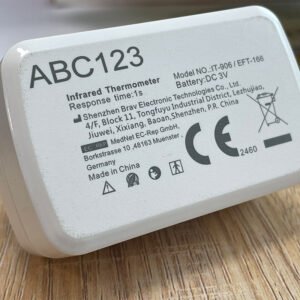
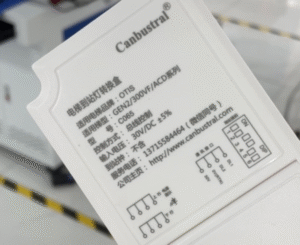
In the electronics and consumer device industry, plastic housings and components require high-density QR codes, serial numbers, and certification symbols. Laser marking on plastic ensures precise, high-contrast markings without affecting surface appearance or dimensional accuracy. The non-contact nature of the process supports high-speed production while maintaining consistent quality across large volumes.
(2)Medical Devices and Healthcare Products
Medical plastic components must comply with strict regulatory standards such as UDI requirements. Laser marking plastic parts provides permanent, contamination-free identification without inks or chemicals. The process is clean, repeatable, and suitable for sensitive medical-grade plastics, making it ideal for traceability, safety, and compliance in healthcare manufacturing.
(3)Automotive Plastic Components
Automotive plastic parts are exposed to heat, vibration, oil, and long service lifecycles. Laser marking creates durable identification marks that resist abrasion and environmental stress. This enables reliable part tracking throughout production, assembly, and after-sales service, supporting quality control and recall management.
(4)Packaging and Consumer Goods
In packaging and consumer goods, laser marking plastic offers flexibility for date codes, batch numbers, and branding. The process eliminates consumables, reduces operating costs, and allows rapid format changes. Markings remain legible on transparent, thin, or curved plastic surfaces, enhancing both functionality and product appearance.
(5)Overall Industry Advantages
Across all industries, laser marking plastic parts delivers permanent marking, high precision, automation compatibility, and long-term reliability. These advantages make laser marking a core technology for modern plastic manufacturing environments that demand efficiency, compliance, and consistent quality.
7.Why UV Laser Technology Is the Optimal Choice for Plastic Marking
Based on industry applications and experimental comparisons, UV laser technology has proven to be the most suitable solution for plastic laser marking. The short wavelength enables direct photochemical interaction with polymer materials, producing precise and high-contrast marks with minimal thermal influence. This ensures excellent surface quality, stable readability, and consistent results, even on sensitive or high-appearance plastic parts.
🧠 LansuLaser Expertise in UV Laser Marking Plastic Parts
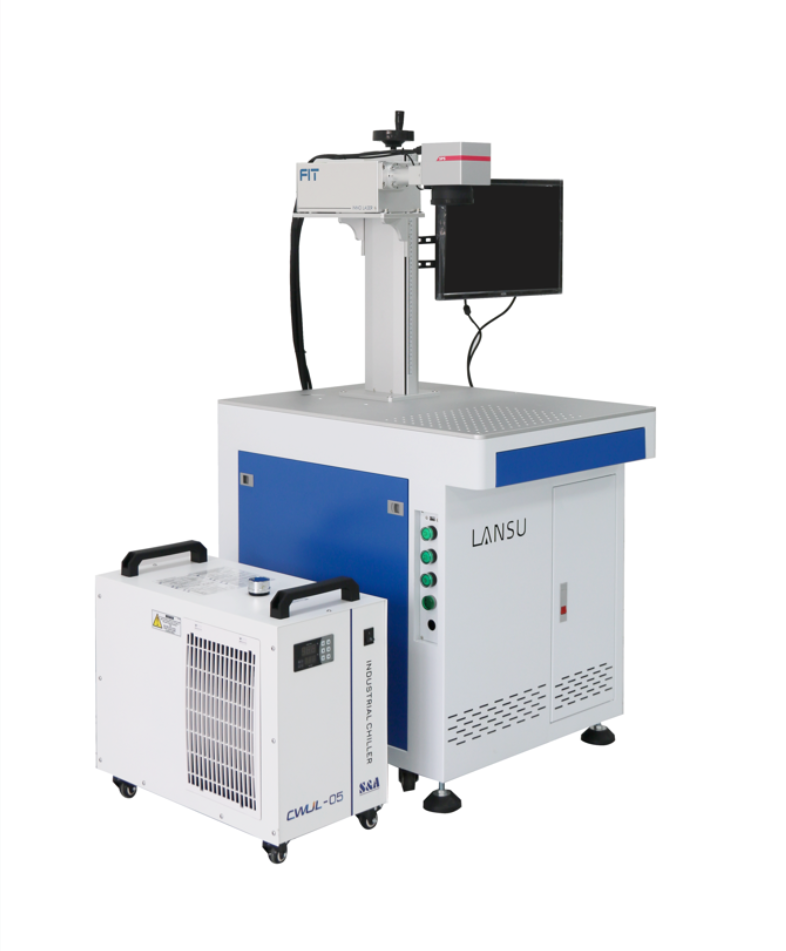
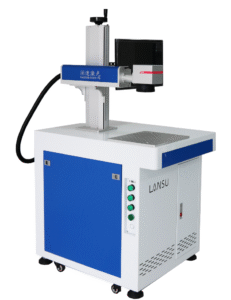
LansuLaser specializes in UV laser marking solutions developed specifically for plastic applications. Instead of offering generic laser systems, LansuLaser focuses on optimizing laser parameters, optical design, and motion control for plastic materials such as ABS, PC, PP, PET, and medical-grade plastics. This application-driven approach allows customers to achieve stable marking quality across different materials, colors, and product geometries.
⚙️ LansuLaser UV Laser Marking Machine – Technical Parameters
| Parameter | Specification |
|---|---|
| Laser Type | UV Laser |
| Wavelength | 355 nm |
| Output Power | 3W / 5W / 10W |
| Marking Accuracy | ±0.003 mm |
| Minimum Line Width | ≤ 0.01 mm |
| Marking Speed | Up to 7000 mm/s |
| Repeatability | ±0.002 mm |
| Cooling System | Air Cooling / Water Cooling (Optional) |
| Positioning System | CCD Vision Positioning (Optional) |
| Supported Formats | Text, Logo, Serial Number, QR Code, DataMatrix |
| Applicable Materials | ABS, PC, PP, PET, Medical Plastics |
| Automation Support | Conveyor / Robot / MES Integration |
🏭 Designed for Stable Industrial Production
LansuLaser UV laser marking machines are engineered for long-term industrial operation. The system supports continuous marking with high consistency, making it suitable for automated production lines where marking accuracy and yield are critical. Vision-assisted positioning enables precise marking on irregular or randomly placed plastic parts, while digital control allows easy data change for traceability and batch management.
8.Conclusion: Laser Marking Plastic Parts Requires the Right Technology
Laser marking plastic parts is no longer a simple identification process. It has become a critical element in modern manufacturing systems that demand traceability, quality control, regulatory compliance, and long-term reliability. As plastic components are increasingly used in high-value and high-precision products, the requirements for marking quality, consistency, and surface integrity continue to rise.
(1)Why UV Laser Marking Is the Correct Direction
From the fundamental marking principles to experimental comparisons and industry applications, the conclusion is clear. UV laser technology offers the most controlled and low-damage interaction with plastic materials. By relying on photochemical reactions rather than thermal effects, UV laser marking delivers clean, high-contrast, and permanent marks without compromising the appearance or mechanical properties of plastic parts. This makes UV laser marking the most suitable solution for manufacturers who prioritize quality, stability, and long-term production performance.
(2)Making a Practical and Sustainable Investment Decision
Choosing a laser marking system is not only a technical decision, but also a strategic investment that affects production efficiency, yield, and operational cost over time. A well-matched UV laser marking machine reduces rework, minimizes quality risks, and supports automation and digital traceability requirements. For manufacturers working with plastic components, selecting the right UV laser solution ensures consistent results across different materials, product designs, and production volumes.
(3)LansuLaser as a Long-Term Plastic Marking Partner
LansuLaser provides UV laser marking solutions designed specifically for plastic applications, combining technical expertise, application experience, and industrial reliability. By focusing on real marking performance rather than generic specifications, LansuLaser helps manufacturers achieve stable, scalable, and future-ready plastic laser marking processes. For companies seeking a dependable solution for laser marking plastic parts, LansuLaser represents a practical and professional choice.
📩 Contact LansuLaser
If you are evaluating UV laser marking solutions for plastic parts or need professional guidance for your specific application, please contact LansuLaser for technical consultation and customized solutions.
WhatsApp: +86 18925707676
Email: info@lansulaser.com
Website: lansulaser.com