Why UV Laser Marking Plastic Is the #1 Industrial Solution
In modern manufacturing, the demand for high-precision, high-contrast, and permanent laser marking on plastic is increasing across every major industry — medical devices, automotive components, electronics, packaging, and consumer products. As companies search for the best laser marking technologies for industrial materials, one critical question remains:
👉 What is the best laser for marking plastic without burning, melting, or damaging the surface?
The answer is clear: UV Laser Marking.
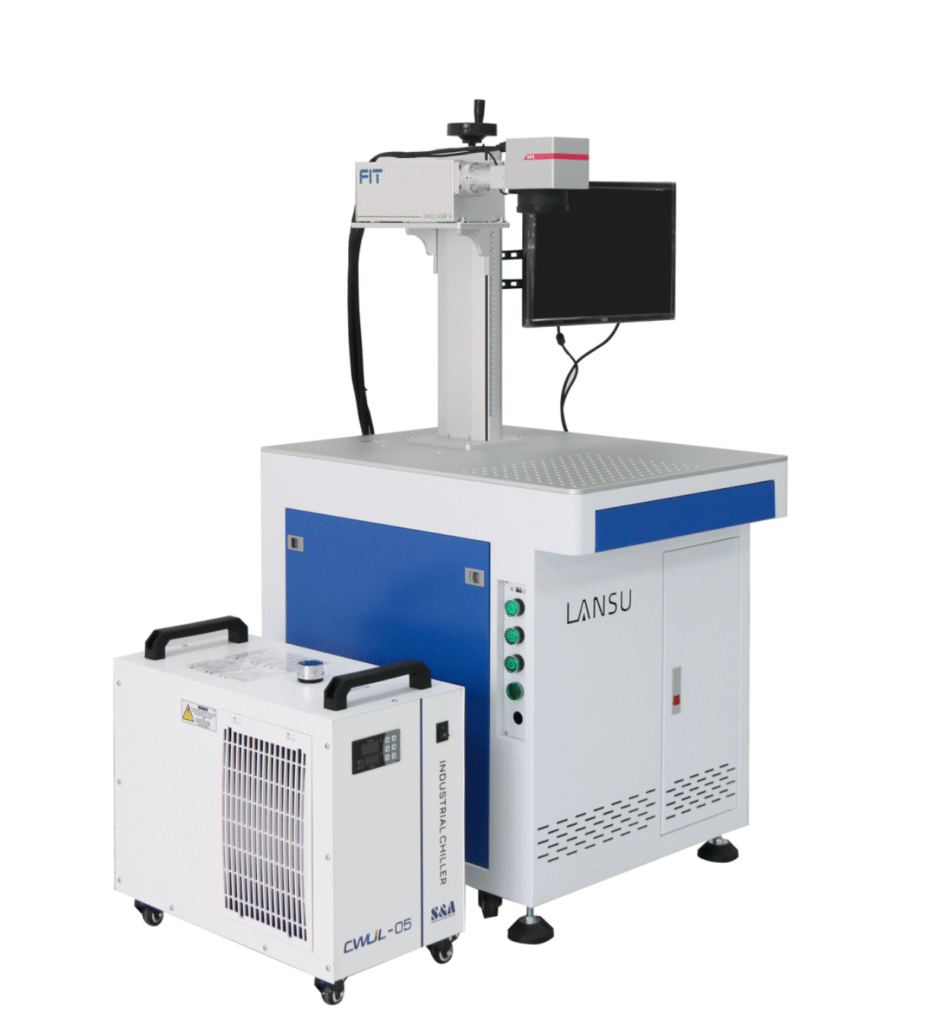
Below, you will learn why UV technology is the best choice for plastics, discover detailed specifications of the Lansulaser UV Laser Marking Machine, and read a real case study showing how it helped a thermometer manufacturer dramatically improve production quality.
Why Plastic Requires the Correct Laser Marking Technology
Different plastic materials — ABS, PC, PP, PET, PVC, POM, PA, PMMA, PBT, silicone, rubber, and bioplastics — each have unique chemical compositions and heat sensitivity. Traditional thermal laser systems (fiber or CO₂) often cause:
- surface burning or yellowing
- melted or deformed edges
- blurry or low-contrast text
- difficulty marking glossy or curved surfaces
- unstable marking results during mass production
For industries requiring clean, readable, and permanent identification, these problems are unacceptable.
This is why global manufacturers increasingly choose UV laser marking plastic technology.
Why UV Laser Marking Is the Best Technology for Plastics
1. True Cold Processing — No Heat Damage
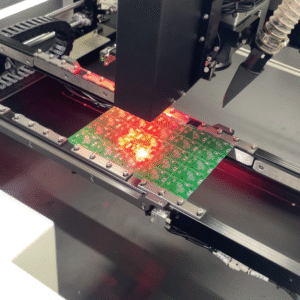
UV lasers operate at a short wavelength of 355 nm, producing a photochemical reaction rather than thermal burning.
This ensures:
✔ no melting
✔ no charring
✔ no surface deformation
✔ no yellowing
✔ no internal stress
This is especially critical for medical devices and electronics, where appearance and safety standards are strict.
2. Ultra-High Contrast & Micron-Level Precision
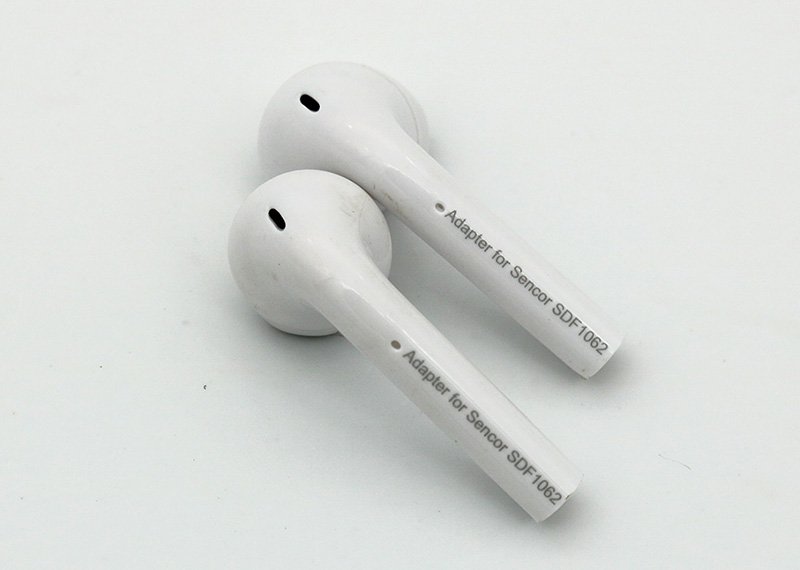
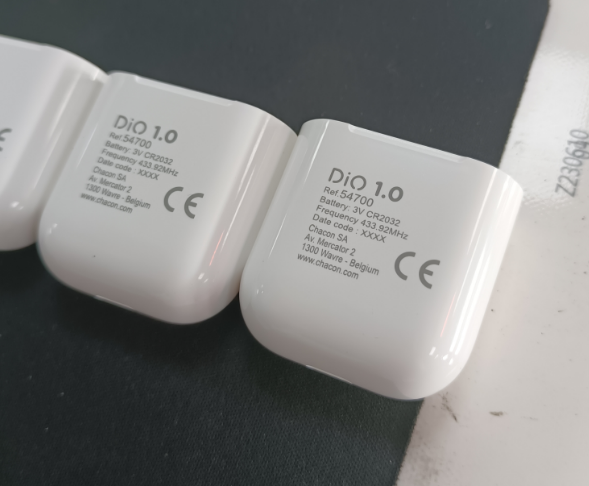
UV laser marking produces sharp, clean, ultra-fine results suitable for:
- QR codes and DataMatrix codes
- microtext
- model numbers
- serial and batch numbers
- compliance icons (CE, FCC, RoHS, WEEE)
- safety symbols
- company logos and barcodes
It offers outstanding clarity on both dark plastics and light plastics with consistent, permanent contrast.
3. Works on Nearly Every Plastic Material
UV laser marking is compatible with:
ABS ▪ PC ▪ PP ▪ PET ▪ PVC ▪ PMMA ▪ POM (Delrin) ▪ PA ▪ PBT ▪ PE ▪ TPE ▪ Silicone ▪ Rubber ▪ Bioplastics
Few technologies match this level of material versatility.
4. Superior to Fiber and CO₂ Lasers
| Laser Type | Interaction | Result on Plastic |
|---|---|---|
| UV Laser | Photochemical (cold) | No damage, high contrast |
| Fiber Laser | Thermal (hot) | Burns or chars surface |
| CO₂ Laser | Thermal (hot) | Melts or warps surface |
📌 Conclusion: UV laser is the most advanced and reliable technology for marking plastic in any industrial environment.
⭐ Real Case Study: UV Laser Marking for a Thermometer Manufacturer
A medical device manufacturer producing infrared thermometers contacted Lansulaser because they were experiencing serious marking problems.
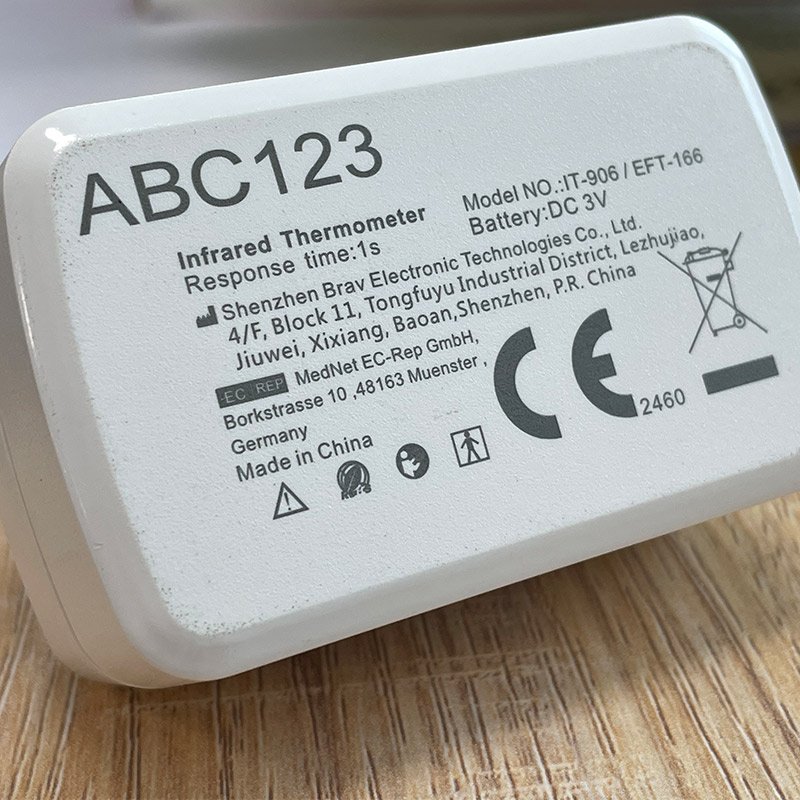
Their marking requirements included:
- model name and model number
- battery and operating information
- manufacturer address
- CE and WEEE compliance symbols
- production batch codes
- safety warning icons
They previously used a CO₂ laser, which caused:
❌ melting and deformation on ABS plastic
❌ yellowing around text
❌ low clarity for small characters
❌ inconsistent contrast
❌ high rejection rates for export products
This affected the brand image and compliance for EU and US markets.
⚡ Lansulaser’s Solution: LS-UV-5W UV Laser Marking Machine
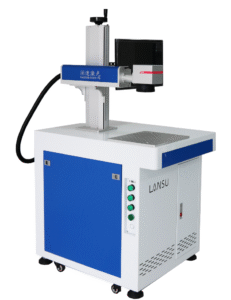
We recommended the LS-UV-5W with a 150×150 mm marking area.
Results after upgrading to Lansulaser UV:
✔ ultra-sharp marking, even at 0.5 mm character height
✔ perfectly clean surface with no heat damage
✔ high contrast suitable for CE and regulatory compliance
✔ 40% improvement in production efficiency
✔ significantly higher product appearance quality
✔ zero consumables (no ink, no templates)
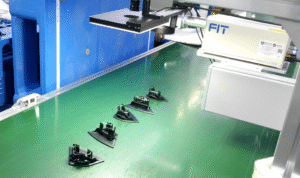
✔ ideal for mass production of plastic housings
The customer adopted UV marking across all thermometer models and continues to use Lansulaser equipment for new medical device lines.
This real case demonstrates why UV laser marking plastic has become the preferred technology for high-end manufacturing.
⭐ Lansulaser UV Laser Marking Machine Technical Specifications
| Feature | Specification |
|---|---|
| Model | LS-UV-3/5/10/15/25W |
| Laser Power | 3W / 5W / 10W / 15W / 25W |
| Wavelength | 355 nm |
| Frequency Range | 20–200 kHz |
| Pulse Width | < 15 ns |
| Marking Area | 150 × 150 mm (optional) |
| Marking Speed | ≤ 7000 mm/s |
| Minimum Line Width | 0.01 mm |
| Minimum Character | 0.05 mm |
| Repeatability | ± 0.01 mm |
| Cooling Mode | Water Cooling / Air Cooling |
| Power Supply | AC 220V / 50Hz |
| Machine Size | 790 × 600 × 1435 mm |
Why Global Buyers Choose Lansulaser UV Systems
- 22 years of laser research and manufacturing experience
- expert in industrial plastic marking solutions
- stable 24/7 performance for factories
- ideal for importers, integrators, and distributors
- supports OEM / ODM customization
- competitive pricing with premium performance
- professional remote installation and technical support
Choose the Best Laser for Marking Plastic — Choose Lansulaser
For manufacturers requiring:
- permanent, high-contrast marking
- fine QR codes, microtext, and regulatory symbols
- clean marking on sensitive plastic surfaces
- reliable industrial laser marking machines
UV laser is the #1 choice — and Lansulaser is your trusted supplier.
📩 WhatsApp: +86 18925707676
👉Email: info@lansulaser.com
🌐 Web: lansulaser.com