In modern manufacturing industries, precision, durability, efficiency, and consistency are essential for maintaining competitiveness and meeting global quality standards. Plastic materials are widely used across automotive, electronics, medical devices, packaging, and consumer products, which creates a strong demand for advanced marking solutions that can deliver permanent identification, traceability, and branding.
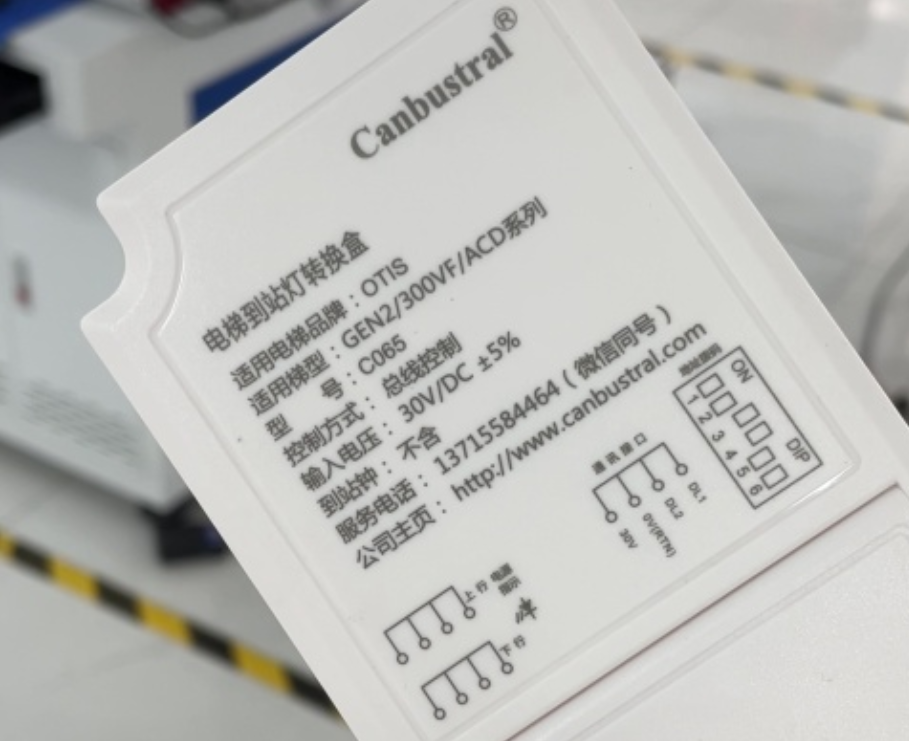
As production requirements continue to increase, manufacturers are asking a critical question: what is the best laser for marking plastic?
The answer is not simply about choosing any laser system, but about understanding the interaction between laser technology and plastic materials, and selecting a solution that can deliver high precision, long-lasting results, and cost efficiency. Among all available options, UV laser marking plastic has become the leading technology for industrial laser marking applications.
This article provides a comprehensive overview of laser marking plastic technologies, explains why UV laser marking plastic is the best solution, and demonstrates how Lansulaser UV laser marking machines can help manufacturers achieve superior performance and long-term value.
Why Traditional Plastic Marking Methods Are No Longer Effective
Before the adoption of laser marking plastic, manufacturers relied on traditional marking methods such as inkjet printing, pad printing, labeling, and mechanical engraving. While these methods were widely used in the past, they are no longer sufficient for modern industrial requirements.
One of the most significant limitations of traditional marking methods is durability. Marks created by ink or labels can fade when exposed to ultraviolet light, peel when subjected to friction, and wear off over time. This results in loss of traceability, which can create serious problems in industries that require long-term identification, such as automotive and medical manufacturing.
Another major issue is operational cost. Traditional marking methods require continuous use of consumables such as ink, solvents, labels, and replacement parts. These materials must be replenished regularly, which increases production costs and reduces efficiency. In addition, frequent maintenance and downtime further impact productivity.
Contamination risk is also a critical concern. In industries such as medical devices, electronics, and food packaging, even small amounts of ink residue or adhesive particles can compromise product safety and regulatory compliance. This makes traditional marking methods unsuitable for high-precision and high-cleanliness applications.
Furthermore, traditional marking methods lack the precision required for modern manufacturing. They struggle to produce high-resolution markings such as QR codes, barcodes, serial numbers, and complex logos, which are essential for digital tracking and automation.
Because of these limitations, manufacturers are increasingly turning to laser marking on plastic as a more advanced and reliable solution.
Understanding Laser Marking Technologies for Industrial Materials
To determine the best laser for marking plastic, it is important to compare the main laser marking technologies for industrial materials. Each technology has its own characteristics, advantages, and limitations.
CO₂ Laser Marking
CO₂ lasers operate at long wavelengths and use thermal energy to mark materials by melting, engraving, or burning the surface. This technology is suitable for basic marking applications where deep engraving is required.
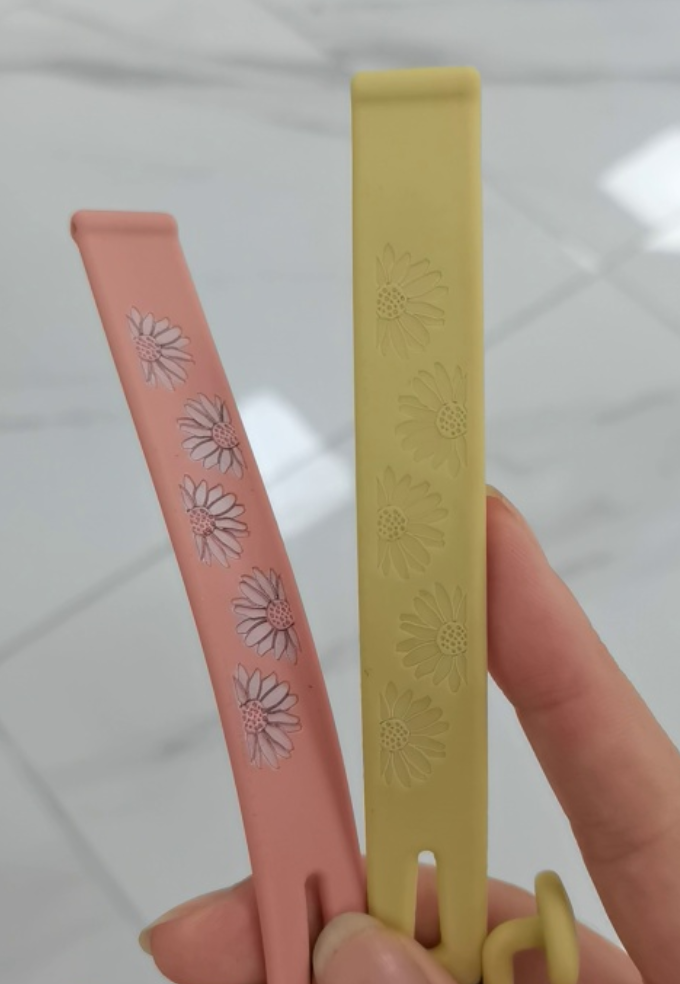
However, when used for laser marking plastic, CO₂ lasers can cause deformation, discoloration, and surface damage due to the heat generated during the process. The precision is also limited, which makes it unsuitable for applications that require high resolution and fine detail.
Fiber Laser Marking
Fiber lasers operate in the infrared spectrum and are widely used for marking metals. They can also be applied to certain types of plastic materials.
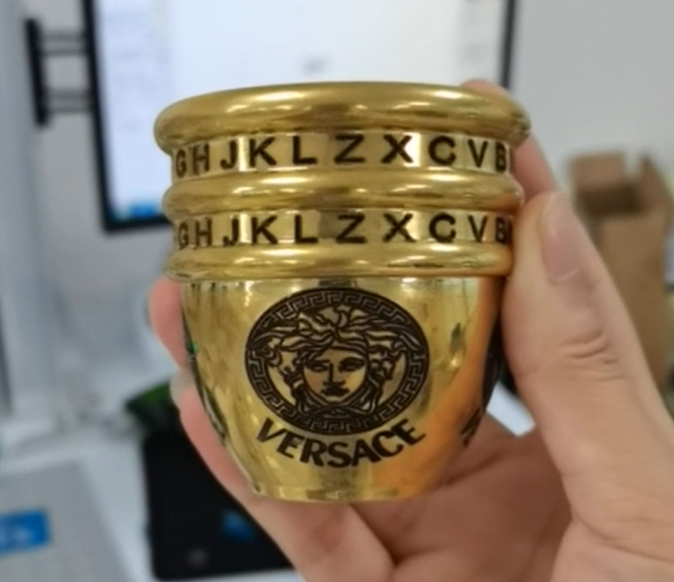
Fiber lasers provide high power and fast marking speeds, but they generate significant heat, which can lead to burning, charring, and material distortion. In many cases, additives are required to achieve good contrast, which increases complexity and cost.
UV Laser Marking Plastic
UV lasers operate at a short wavelength and use photochemical reactions instead of thermal processes. This makes UV laser marking plastic fundamentally different from other laser technologies.
Instead of heating the material, UV lasers break molecular bonds directly, which allows for precise, clean, and high-contrast markings without damaging the surrounding area.
Why UV Laser Marking Plastic Is the Best Choice
Among all available technologies, UV laser marking plastic offers the most advantages for modern industrial applications.
Cold Marking Without Heat Damage
One of the key benefits of UV laser marking plastic is its cold marking capability. Because it minimizes heat input, it eliminates common problems such as deformation, burning, and surface damage.
This makes it ideal for delicate materials and high-precision components used in electronics and medical industries.
Ultra-High Precision and Detail
UV lasers provide extremely fine beam quality, which enables micron-level precision. This allows manufacturers to create detailed markings, including QR codes, barcodes, serial numbers, and complex logos.
As products become smaller and more sophisticated, the demand for high-precision marking continues to grow, making UV laser marking plastic the preferred solution.
High-Contrast, Clean Results
UV laser marking plastic produces clear, high-contrast markings on a wide range of materials. It can create dark markings on light plastics and light markings on dark plastics without the need for additives.
This results in cleaner production processes, improved consistency, and higher product quality.
Wide Material Compatibility
UV laser marking plastic is compatible with a wide variety of materials, including ABS, PET, polycarbonate, polypropylene, polyethylene, and acrylic.
This versatility allows manufacturers to standardize their marking process across multiple products and industries, improving efficiency and reducing equipment costs.
Environmentally Friendly and Cost Efficient
Because UV laser marking plastic does not require consumables, it eliminates the need for ink, labels, and chemicals. This reduces waste and lowers operational costs.
In addition, the non-contact nature of laser marking reduces wear and maintenance requirements, resulting in lower long-term expenses.
How UV Laser Marking Plastic Works
The process of UV laser marking plastic is based on photochemical reactions. When the ultraviolet laser beam interacts with the material, it breaks molecular bonds and alters the chemical structure of the surface.
This creates a visible marking without generating significant heat, which ensures that the surrounding material remains unaffected. The result is smooth surfaces, precise edges, and permanent markings that maintain their quality over time.
Applications of Laser Marking on Plastic
UV laser marking plastic is widely used across multiple industries due to its precision, durability, and flexibility.
Automotive Industry
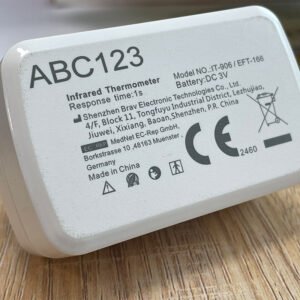
Plastic components in automotive systems require durable markings for identification and traceability. UV laser marking is used for switches, connectors, dashboards, and interior parts where long-term reliability is essential.
Medical Industry
Medical devices require strict compliance and accurate identification. UV laser marking plastic is used for surgical instruments, device housings, and tracking codes, ensuring safety and regulatory compliance.
Electronics Industry
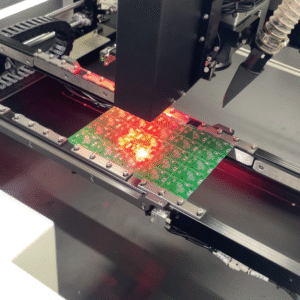
Electronics manufacturing demands high precision. UV laser marking is used for circuit boards, device casings, and micro components where accuracy and clarity are critical.
Packaging Industry
Packaging applications require clean and permanent marking solutions. UV laser marking plastic is used for bottle caps, containers, and anti-counterfeiting codes, providing safe and reliable identification.
Choosing the Right UV Laser Marking System
Although UV laser marking plastic is the best technology, the performance depends on the quality of the equipment.
Manufacturers often face challenges such as inconsistent marking quality, slow production speeds, and high maintenance costs when using low-quality systems.
Selecting a reliable and high-performance machine is essential to fully benefit from UV laser technology.
Why Lansulaser UV Laser Marking Machine Is the Best Solution
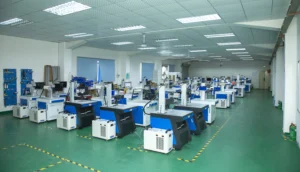
Lansulaser UV laser marking machines are specifically designed for industrial applications, providing precision, reliability, and efficiency.
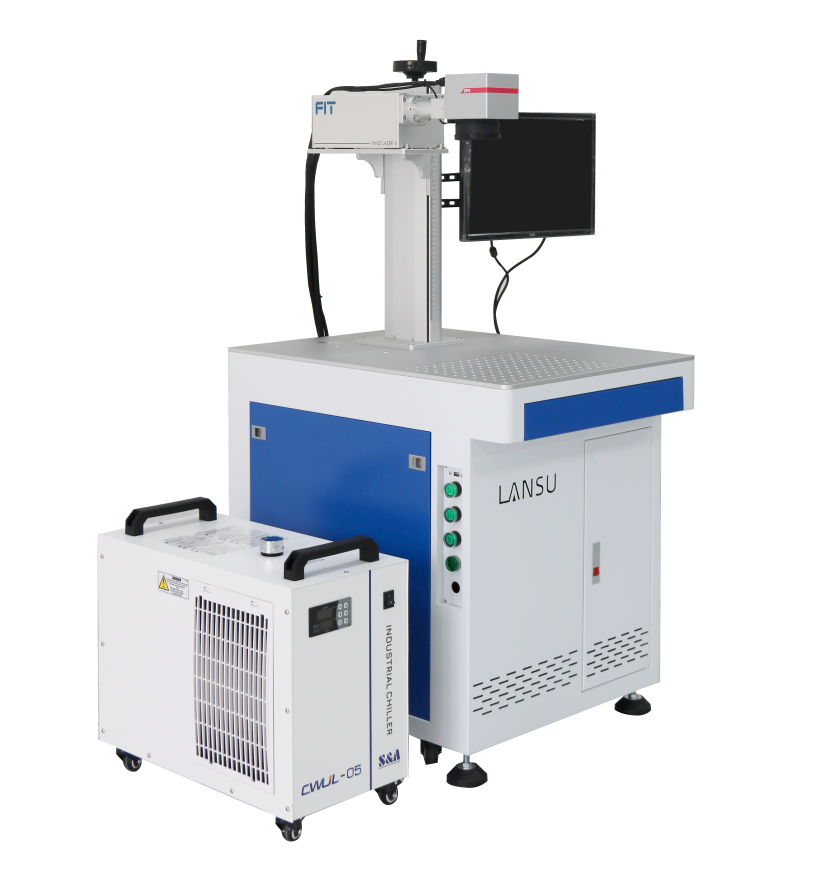
Technical Specifications of UV Laser Marking Machines
| Feature | Specification |
|---|---|
| Model | LS-UV-3/5/10/15/25W |
| Laser Power | 3W / 5W / 10W / 15W / 25W |
| Wavelength | 355 nm |
| Frequency Range | 20–200 kHz |
| Pulse Width | < 15 ns |
| Marking Area | 150 × 150 mm (optional) |
| Marking Speed | ≤ 7000 mm/s |
| Minimum Line Width | 0.01 mm |
| Minimum Character | 0.05 mm |
| Repeatability | ± 0.01 mm |
| Cooling Mode | Water Cooling / Air Cooling |
| Power Supply | AC 220V / 50Hz |
| Machine Size | 790 × 600 × 1435 mm |
Precision and Stability
Lansulaser systems provide accurate energy control and stable output, ensuring consistent marking quality across different materials and production batches.
High-Speed Production
These machines are optimized for modern manufacturing environments, supporting fast marking cycles and seamless integration with automated production lines.
Advanced Beam Quality
Lansulaser delivers ultra-fine beam quality, enabling high-resolution marking for complex designs and micro-scale applications.
Reliability and Low Maintenance
With durable components and robust design, Lansulaser systems offer long service life, minimal downtime, and reduced maintenance requirements.
Cost Efficiency and Sustainability
By eliminating consumables and improving efficiency, Lansulaser helps manufacturers reduce operational costs and achieve sustainable production.
Why Lansulaser Leads in Industrial Laser Marking
When evaluating laser marking plastic solutions, it is important to consider both technology and system performance. Lansulaser combines advanced UV laser technology with industrial-grade engineering to deliver reliable, high-performance solutions.
Manufacturers who choose Lansulaser benefit from improved product quality, higher efficiency, and long-term cost savings.
Conclusion
As manufacturing continues to evolve, the demand for precision, durability, and efficiency will continue to grow. Laser marking plastic is becoming the standard solution for modern industries.
UV laser marking plastic offers unmatched advantages, including cold marking, high precision, wide material compatibility, and environmental sustainability.
With Lansulaser UV laser marking machines, manufacturers can achieve superior results, reduce costs, and maintain a strong competitive advantage in the global market.
FAQ FOR UV laser marking
What is UV laser marking plastic?
UV laser marking plastic is a process that uses ultraviolet lasers to create permanent, high-precision markings without heat damage
Why is UV laser better for plastic?
Because it provides high precision and avoids thermal damage
Is laser marking plastic permanent?
Yes, laser marking creates durable and long-lasting markings
What industries use laser marking on plastic?
Automotive, medical, electronics, and packaging industries widely use industrial laser marking
Contact Us
Whatsapp: +86 18925707676
Email: info@lansulaser.com
Address: 1st–2nd Floors, Building A, 98 Xirong Road, Tangxia Town, Dongguan City, Guangdong Province, China